Dispatches from Muckraker Lab - June 1, 2026
There isn't much that is more antithetical to the notion of free speech than a person in authority using that authority to attempt to silence people who write unflattering things about them.

Rough Notes from Under the Hood of the Machine
Date Line: June 1, 2026
If you joined us on Friday, you got part one of our series on the importance of free expression to a free society. We'll continue that this Friday with a look at some of the things the powers that be have done historically to control speech. Before we do, let's take a look today at a few things in the news that are on point.
 Jem Bartholomew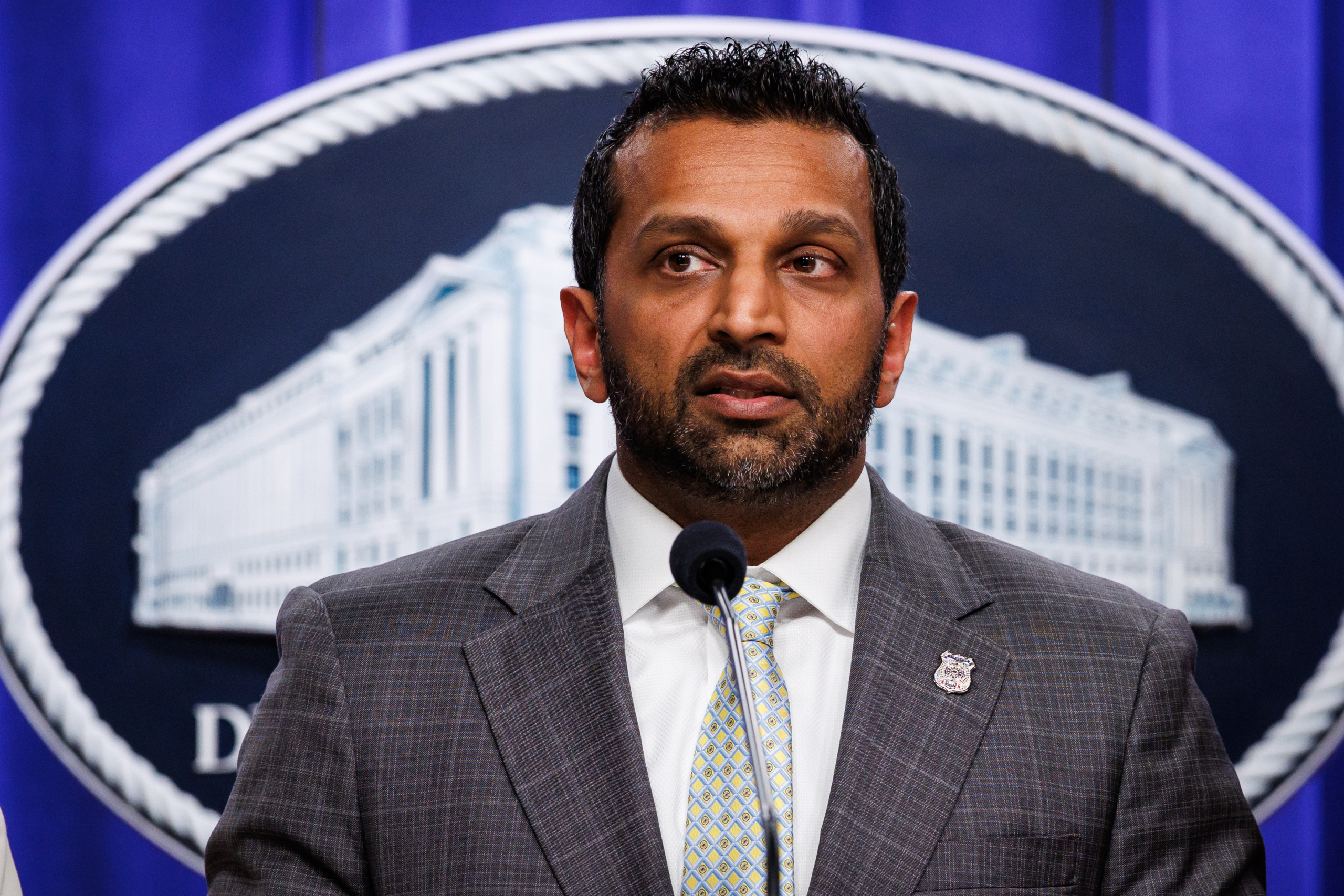
Let's get this straight right from the jump: Nothing here is partisan. These just happen to be the morons in charge right now, so they are the morons we will most often write about. When other morons are in charge, those will be the morons we will write about. Also, if one side happens to have more morons than the other side, well, that's just life in the big leagues, Bubba.
There isn't much that is more antithetical to the notion of free speech than a person in authority using that authority to attempt to silence people who write unflattering things about them.
In the Patel cases - yes, plural, he's done this more than once - we're talking about the filing of a civil lawsuit alleging defamation. The defendants in those suits will go to great expense to get to the inevitable dismissal, which makes the harassment of having to defend themselves the whole point. Well, not the whole point. It also operates to chill the speech of others who might not want to find themselves the target of such a frivolous lawsuit.
And none of this is new. Just ask John Peter Zenger, who we'll talk about on Friday, who was accused of libel while working as a printer and journalist in New York in 1734, before we even had a Constitution.
Libel is a civil lawsuit today, but in Zenger's day, it was charged as a crime. Patel's defamation suits might be a waste of time and money, they might just a backdoor way to chill free speech and never intended to succeed, but at least a person accused of defamation in 2026 doesn't face a threat to their liberty. To their freedom.
Right?
 Alanna Durkin Richer, Associated Press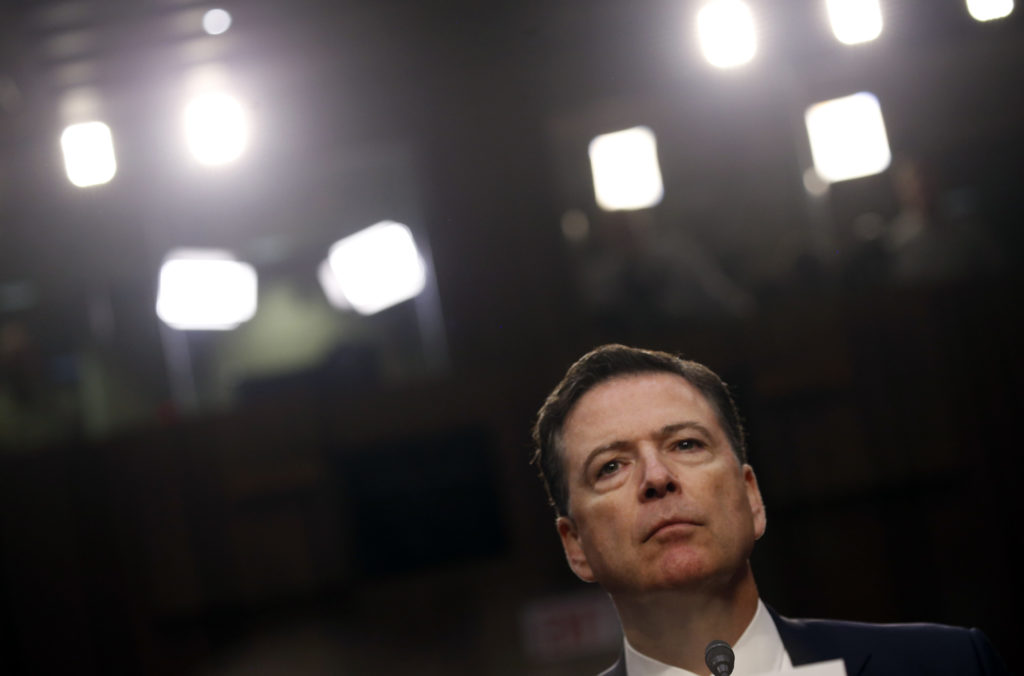
Well ... shit.
But, I mean, what's the big deal, right? It's one guy, who obviously has a rough past with the powers-that-be, and it's not like the government has begun making a practice of launching criminal investigations into its critics or opponents or something.
Right?
 Democracy Now!
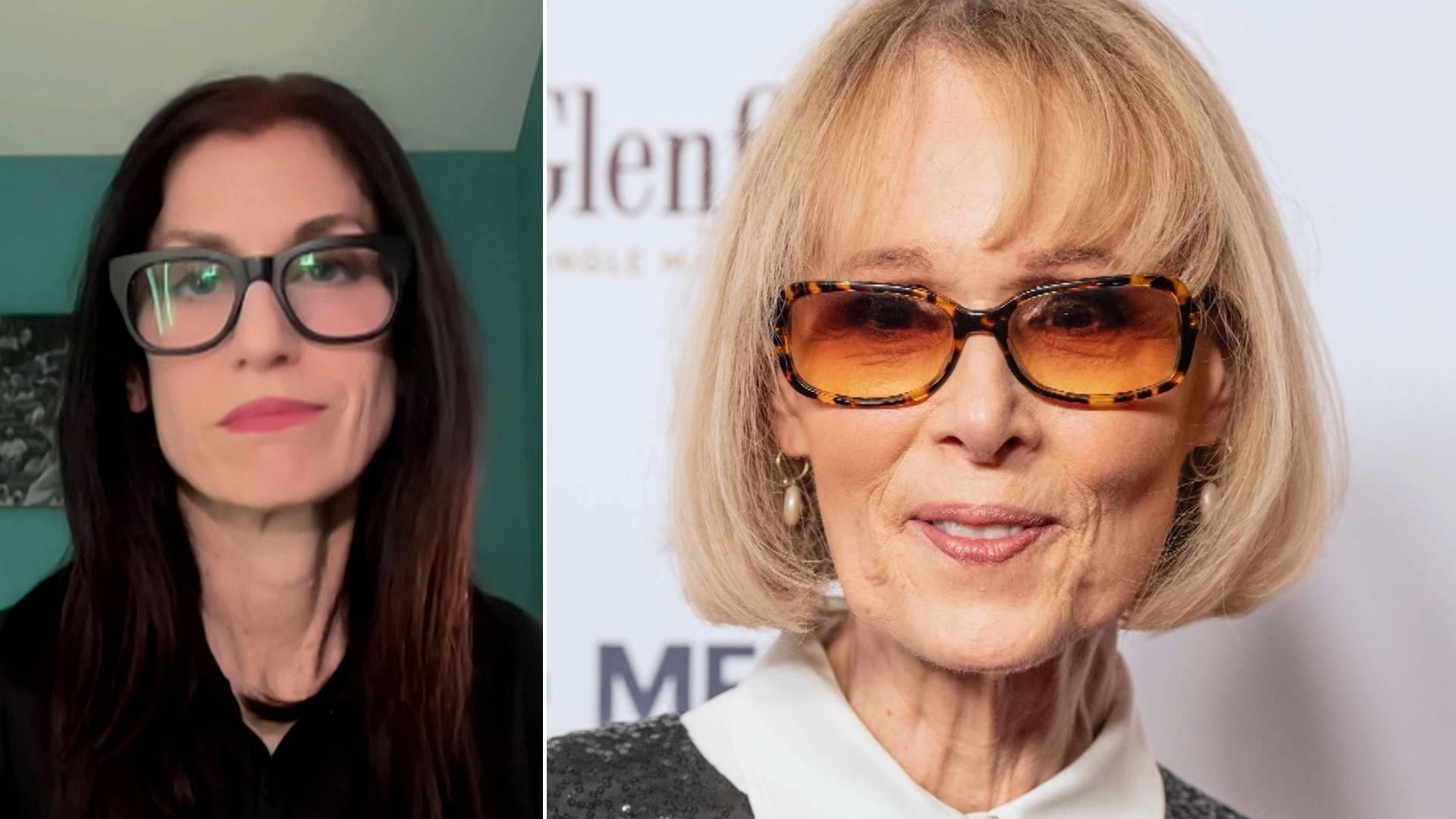 Brian Slodysko, Associated Press
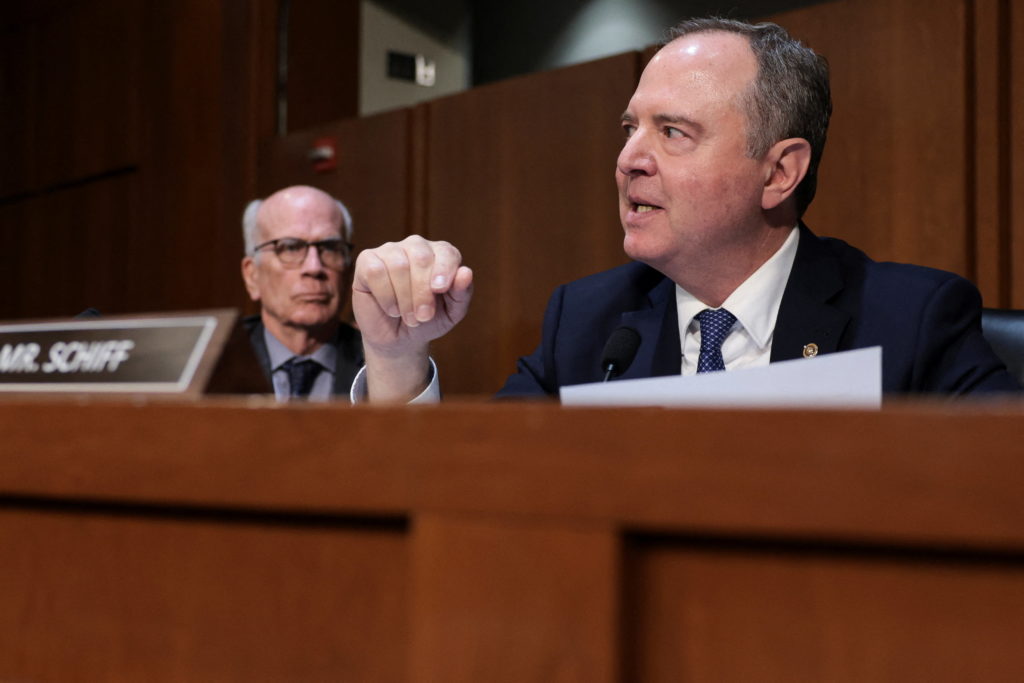 Jeremy Kohler
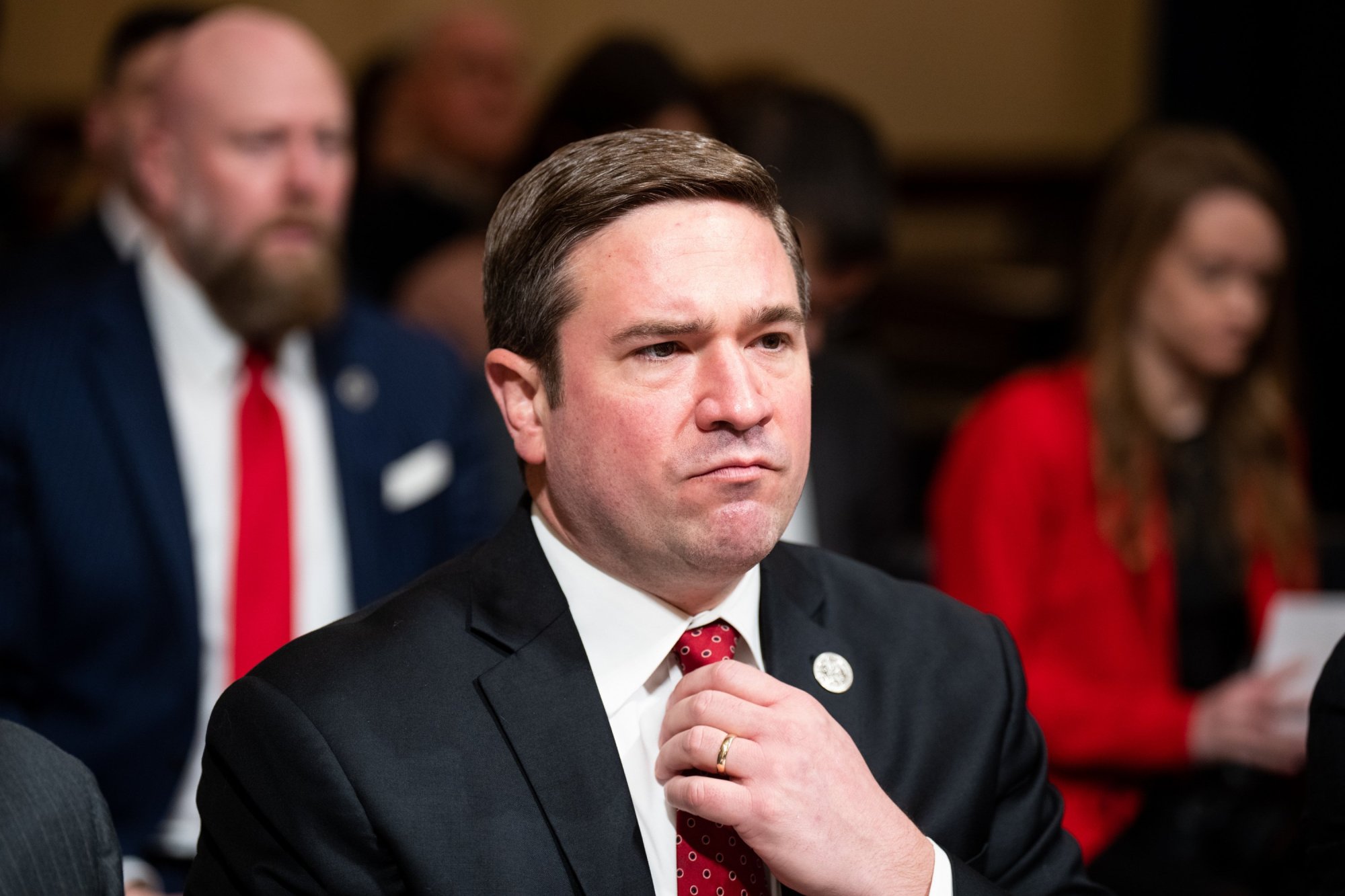 Associated Press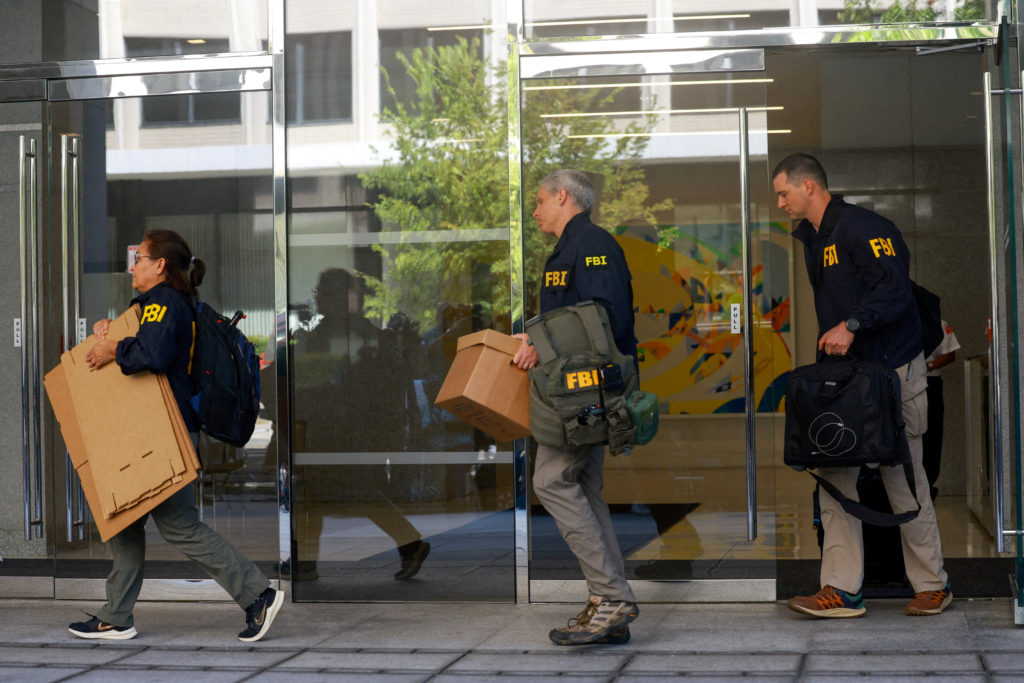
Well ... shit.
Now, listen: If people commit crimes, particularly those entrusted with the power of the citizenry, and particularly when they use their positions to do the crimes to further their own agendas, then those people should face whatever consequences they deserve. But there is a reason that we have historically chosen to protect the ability of journalists and critics to speak freely, and there is a reason that few administrations before this one have attempted to use the Department of Justice to silence citizens.
It's un-American.
But don't take my word for it. Let Micah Reddy tell you what happens in countries where journalism or criticism can be criminalized, and expression can be controlled.
 Micah Reddy
We'll be back on Friday with the next part of our series on the death of American journalism and the importance of free expression to a free society. We'll consider the defamation trial of John Peter Zenger, and the Founders' debates over the Constitution and the First Amendment.
Until then, have a great week and don't get captured.


